Equipment

Rowing Machine

The rowing machine is full-body, low-impact cardio: each stroke is driven mostly by the legs, then the hips and finally the arms.

Written by the GymStreak coaching teamUpdated

Exercise
1
Beginner
1
Compound
1

01

About the rowing machine

An indoor rower has a sliding seat, a foot stretcher and a handle attached to a flywheel. The damper setting changes how the stroke feels, not simply how hard it is; a moderate setting suits most people. Rowing trains the heart and lungs while working the legs, back and arms.
02

How to train with it

Each stroke has four parts: the catch (shins vertical, arms long), the drive (push with the legs, then swing the torso back, then pull the handle to the lower ribs), the finish, and the recovery (arms, then body, then legs, in reverse). A common mistake is pulling with the arms first. Aim for smooth, powerful strokes rather than a high stroke rate.

03

Choosing exercises

Row steadily for 10 to 20 minutes to learn the stroke, then add intervals. Count your rowing toward weekly cardio guidelines of at least 150 minutes of moderate activity.

Sources
  1. World Health Organization. WHO guidelines on physical activity and sedentary behaviour, 2020.
  2. U.S. Department of Health and Human Services. Physical Activity Guidelines for Americans, 2nd edition, 2018.

Free calculators

Free GymStreak calculators that go with rowing machine training.

Read more

Guides from the GymStreak blog on this topic.

Get a plan built around your goal

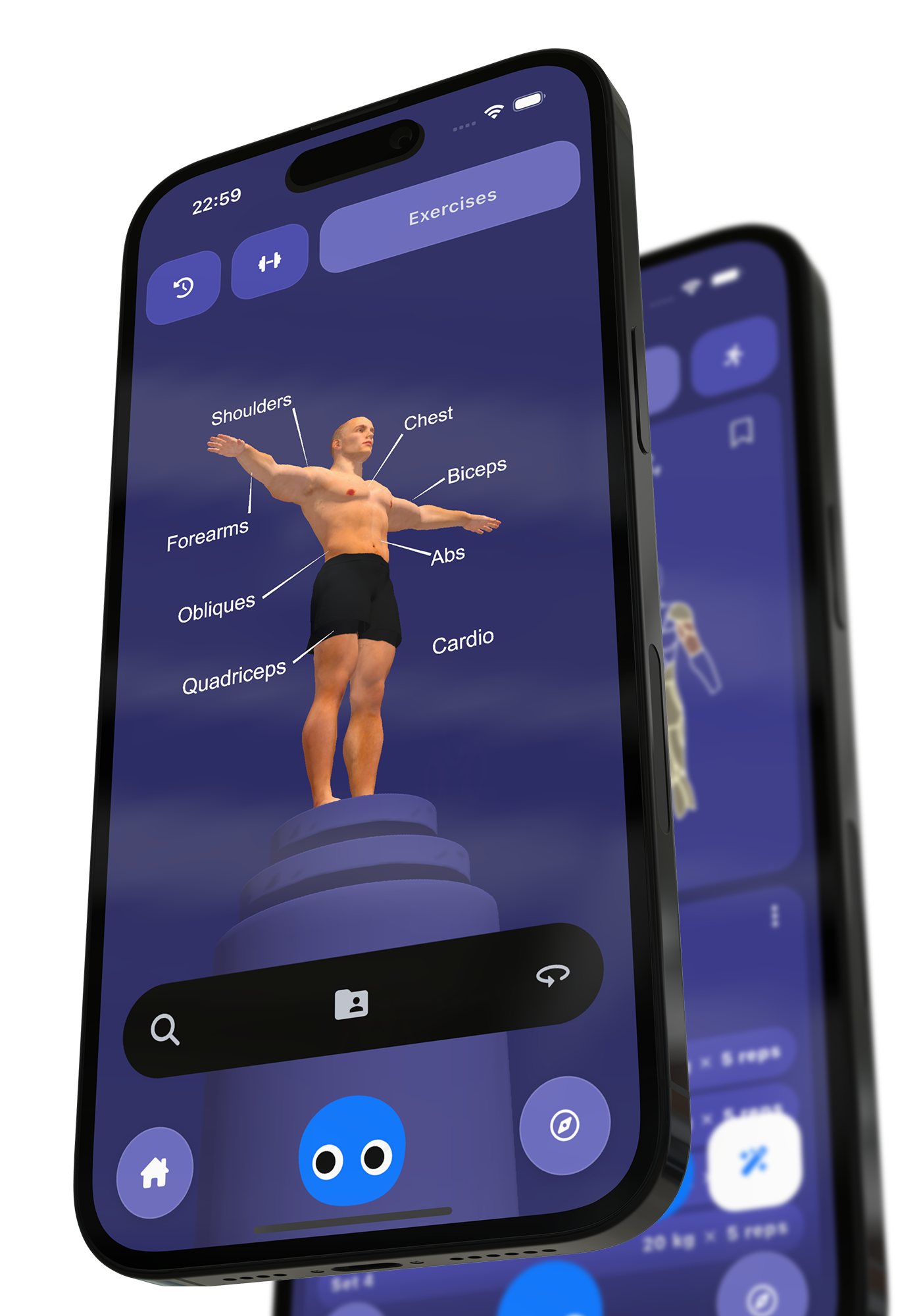
GymStreak's AI personal trainer builds a workout plan from your goal, schedule and equipment, shows every exercise with an animated demo and logs your sets.

GymStreak Exercise Demonstrations